
Where a Frog Sleeps: Microhabitats That Shape Mexico’s Biodiversity
In the tropical forests of Mexico’s Pacific coast, biodiversity is not always obvious. Sometimes, it reveals itself quietly: a small frog resting inside a plant,

Lycaste crinita: Mexico’s “Haired Orchid” You Need to Know
Lycaste crinita, also known as “Canelita” or The Haired Lycaste, is an epiphytic orchid endemic to Mexico, recognized for its unique appearance and delicate fragrance.

Broad-billed Hummingbird (Cynanthus latirostris)
Bird of the Month at Vallarta Botanical Garden Small, fast, and full of color, the broad-billed hummingbird is one of those species that can easily

Río Los Horcones: A Free-Flowing River That Sustains Life in Puerto Vallarta
A natural treasure south of Banderas Bay worth discovering The Río Los Horcones is one of the few rivers in the Puerto Vallarta region that

Epiphyllum hookeri: The Queen of the Night
Epiphyllum hookeri, commonly known as the Queen of the Night or night-blooming cereus, is one of the most fascinating flowering plants found in tropical regions.

Mexican Bird of the Month: Tropical Parula
Setophaga pitiayumi Among the many bird species inhabiting the tropical forests of Mexico, the Tropical Parula (Setophaga pitiayumi) stands out for its small size, lively

Mexican Orchid of the Month: Prosthechea madrensis – The Shell Flower of the Sierra Madre
A Mexican Orchid with History and a Subtle Fragrance The Orchid of the Month is Prosthechea madrensis, commonly known in Mexico as flor de concha

Platystele stenostachya: The Tiny Orchid That Challenges the Eye
By: Oscar Rodriguez Ramos Platystele stenostachya is a miniature orchid that bears one of the smallest flowers in the plant kingdom, making it a true

XIV Vallarta Bird and Nature Festival 2026 Where nature is heard, observed, and celebrated.
There are moments when nature stops being scenery and becomes an experience. On March 27–28, 2026, the Vallarta Botanical Garden will host one of the

Ceropegia woodii: the “String of Hearts” that charms on Valentine’s Day… and seduces flies.
In February, few plants are as photogenic and symbolic as Ceropegia woodii, popularly known as String of Hearts. Its delicate, heart-shaped leaves, marbled in green

Orchid of the month: Trichocentrum brachyphyllum
Common Name: Chorizo con huevoEnglish Name: No common name A pseudobulbous epiphytic orchid with a very funny name in spanish and a somewhat complicated taxonomic

Bird of the month: Icterus cucullatus
By: Biol. Oscar Rodríguez Ramos Common name: Lesser Black-backed OrioleEnglish name: Hooded Oriole The Bird of the Month for February is the Lesser Black-backed Oriole,

Mexican Orchid of the Month
Barkeria obovata Cristóbal Sánchez and Jesús Ángel Barajas The genus Barkeria comprises at least 17 species, of which 15 are found in Mexico, and 7

Bird of the Month: Ara Militaris
Biól. Jesús Ángel Barajas Fragoso Military Macaw Ara militaris IUCN: VU, NOM-059: P This new year, we bring you some facts about one of the most emblematic birds in
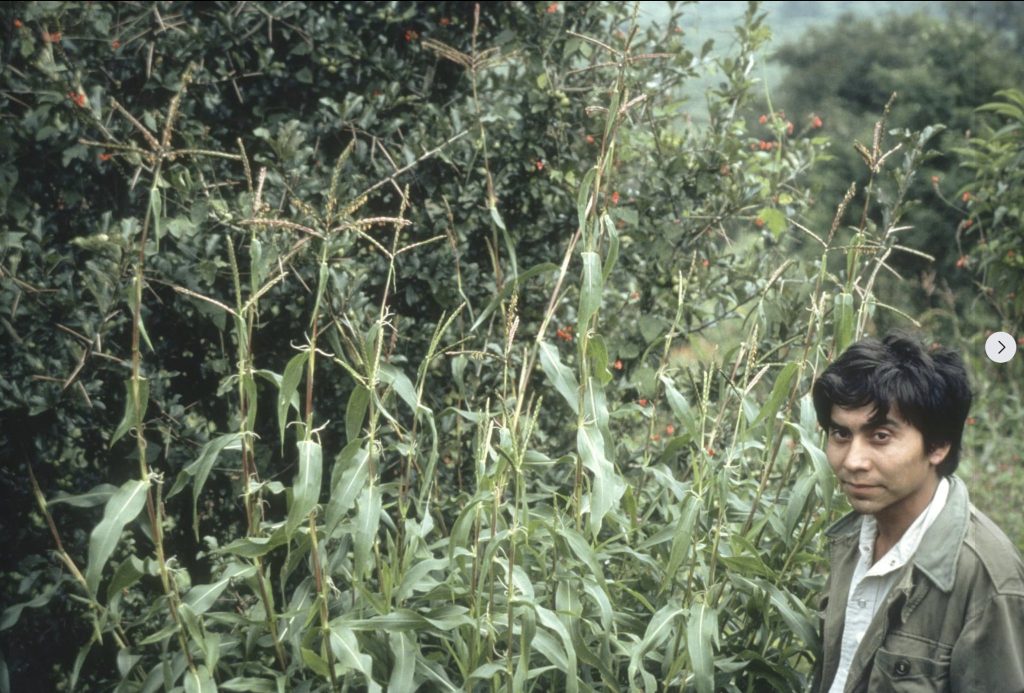
In memoriam Rafael Guzmán Mejía
Rafael Guzmán Mejía Distinguished Botanist of Western Mexico (October 24, 1950 – May 21, 2024) 75th Anniversary of His Birth Rafael Guzmán Mejía in a
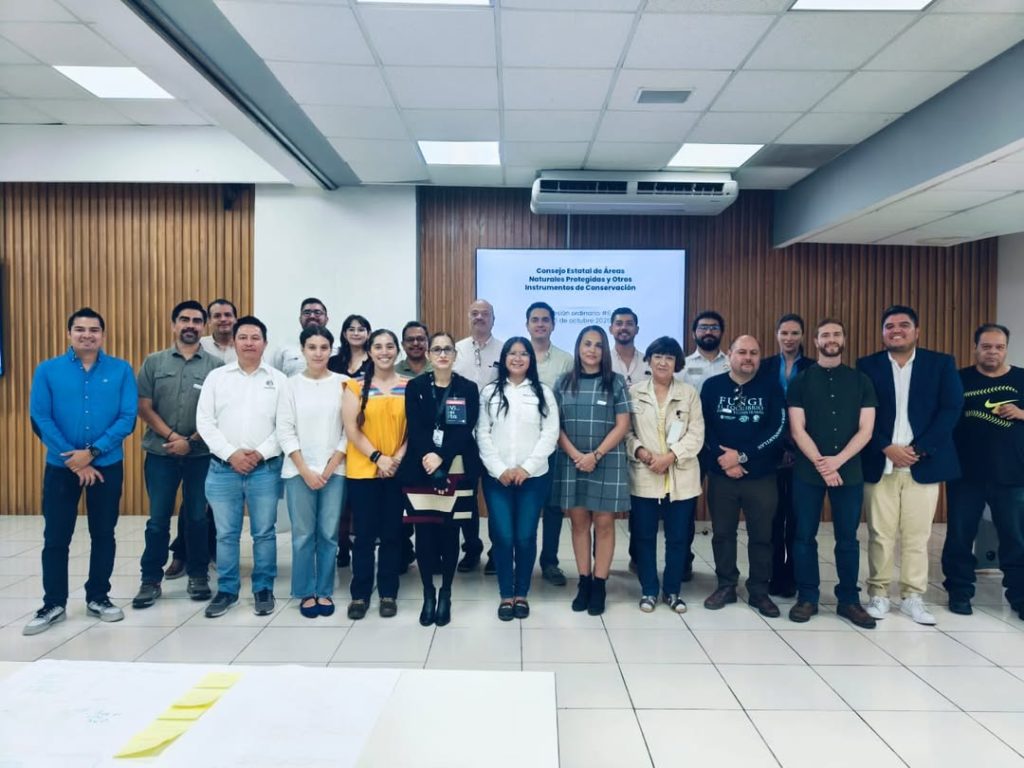
The Los Horcones River Basin: A Critical Conservation Project Seeking Committed Supporters
Progress in Protecting the Los Horcones River Basin, Puerto Vallarta, Mexico: Session of the State Council of Protected Natural Areas Dr. Cristóbal Sánchez Sánchez On

Bird of the Month: Yellow-breasted Chat
Biól. Jesús Ángel Barajas Fragoso For a long time, Icteria virens, known as the Yellow-breasted Chat, was considered part of the Parulidae family, along with
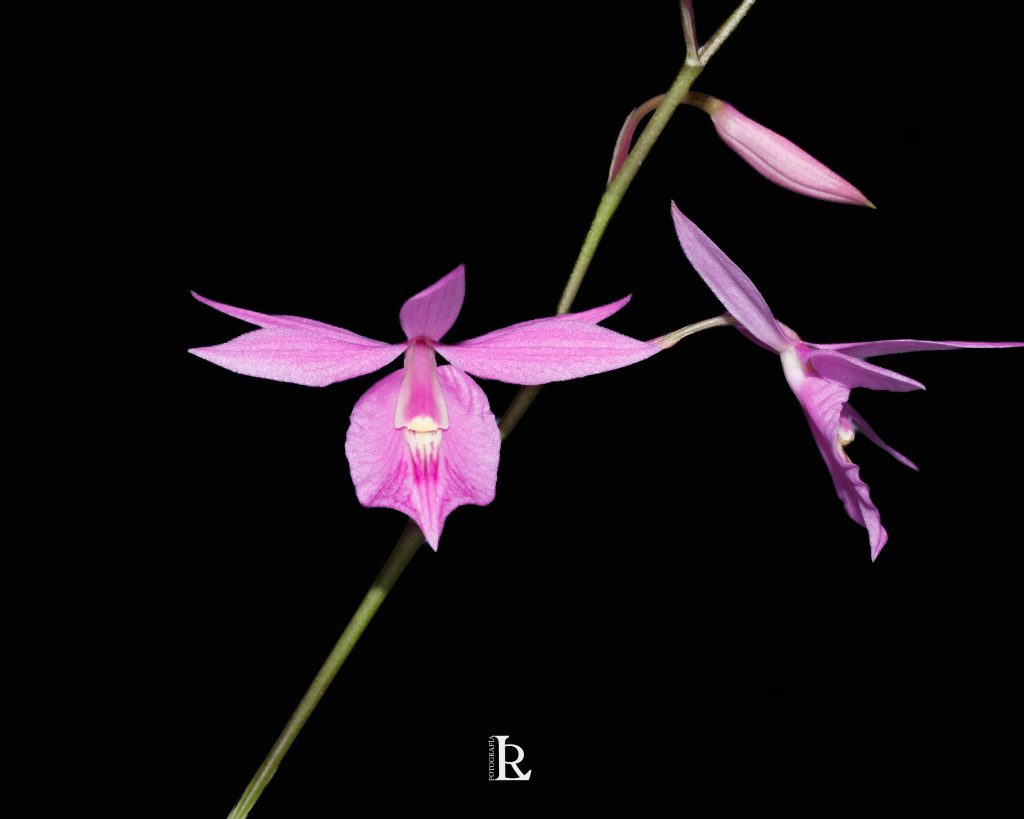
Orchid of the month: Barkeria scandens
Biól. Jesús Ángel Barajas Fragoso The orchid Bakeria scandens is endemic to Mexico, growing natively in Guerrero, the State of Mexico, Michoacán, and Oaxaca. Prized

New Technical Manager at the Vallarta Botanical Garden
by: Antonio de Jesús Gómez Pérez By: Antonio de Jesús Gómez Pérez Hello, I’m Antonio Gómez, the new Technical Manager at the Vallarta Botanical Garden.

United for Conservation: VBG at BGCI-CATIE
Technical Workshop in Turrialba by Evelyn Martínez Cuevas The Vallarta Botanical Gardens (VBG) is part of the Central and Caribbean Botanical Garden (CCBG) and the

Russet-crowned Motmot
Momotus mexicanus By Nat. Eduardo Villegas The Russet-crowned Motmot (Momotus mexicanus) is a species of coraciiform bird belonging to the Momotidae family. The vast majority

Golden-cheeked Woodpecker
Melanerpes chrysogenys By Nat. Eduardo Villegas The Golden-cheeked Woodpecker (Melanerpes chrysogenys) is a bird found exclusively in Mexico, along the western and southwestern coastal strip

Program for the conservation of El Cuale oak continues (Quercus cualensis)
By: Biol. Jesús Ángel Barajas A core part of our mission is working with local communities to spread awareness of and enthusiasm for their natural heritage

Arbor Day at the Botanical Garden
By Biól. Jesús Ángel Barajas Fragoso Arbor Day was celebrated on Thursday, July 10, at the Vallarta Botanical Garden, a day dedicated to honoring trees

Black-chinned Hummingbird
Archilochus alexandri By: Biol. Jesús Ángel Barajas As we continue celebrating our migratory hummingbirds, the featured hummingbird of the month is the Black-chinned Hummingbird (Archilochus

Cuitlauzina pulchella
Lily of the Valley Orchid By: Biol. Jesús Ángel Barajas With a native range spanning from El Salvador to southern Mexico, the Vallarta Botanical Garden

Guaranteeing the future of four endangered orchid species
By: Christopher Jacobs It may be tucked away inconspicuously in one of our conservatories, but the in vitro Orchid Propagation Laboratory at the Vallarta Botanical

1st UNE University Job Fair
By: Biol. Jesús Ángel Barajas Fragoso Job fairs represent a key opportunity to ease the transition of college graduates into the job market. By bringing

The fungi are eating up my garden
Por: Christopher Jacobs The phytopathogenic fungi are those that parasitize plants and make them sick. They can affect different structures of the plant, deforming or

Bird Watchers Club 2023-2025
Por: Christopher Jacobs This month, we concluded the ornithological and botanical activities of the Birdwatchers Club, which comprises 5th and 6th-graders from the Benito Juárez

Students transform their school with gardens that inspire environmental care!
Por: Christopher Jacobs Students transform their school with gardens that inspire environmental care! Garden Competition at Technical Secondary School No. 137 in El Tuito, Jalisco.

Berylline Hummingbird
Archilochus colubris By: Nat. Eduardo Villegas This month, we are preparing to welcome hummingbirds, as they will soon begin migrating from different parts of South

Trichocentrum oestlundianum
By: Jair Villaseñor Native and endemic to the Pacific coast in the states of Jalisco, Michoacán, and Nayarit, the Trichocentrum oestlundianum thrives in mangroves, forested

Calliope Hummingbird
By: Nat. Eduardo Villegas Selasphorus calliope Did you know that hummingbirds are among the only birds that can fly backwards? This is possible thanks to

Conservation of Birds of Prey in Banderas Bay
Por: Biól. M. en C. Selene A. Barba Birds of prey are part of the second most trafficked family in the world, with many species

Bletia Adenocarpa
By: Jair Villaseñor This month we would like to introduce you to a beautiful orchid native to Mexico: Bletia adenocarpa. It stands out for its

Cinnamon-rumped Seedeater
By: Blanca Gabriela Chávez Garcia Sporophila torqueola Did you know that in the Vallarta Botanical Garden you can observe around 250 species of birds throughout

United for Biodiversity: Strategic Alliance between the Culiacán Botanical Garden and the Vallarta Botanical Garden
By: y Biól. Jesús Ángel Barajas Collaborations between botanical gardens are essential for biodiversity conservation, scientific research, and environmental education. By working together, the Culiacán

Encyclia parviflora
By: Biól. Jesus Ángel Barajas Fragoso There are around 70 species of Encyclia in Mexico and one of the smallest flowers in this genus is

Clock Vine: A Hummingbird’s Delight
By: Karina Arantza Aguilar Martínez The Clock Vine (Thunbergia mysorensis) is a spectacular tropical climber native to southern India, particularly the region of Mysore. Its

Announcing Tessa Lee as incoming Executive Director
By: Jesús ReyesCEO We are thrilled to announce Tessa Lee as incoming Executive Director of the Vallarta Botanical Garden. She will take up her position

Bare-throated Tiger-Heron
By: Jesús Ángel Barajas Fragoso Tigrisoma mexicanum The Bare-throated Tiger-Heron is an elegant bird measuring just under a meter tall that lives in the aquatic

Govenia Superba
By: Nat. Eduardo Villegas This month we would like to introduce a beautiful orchid: Govenia superba, a species of terrestrial habit native to Mexico that

Sparkling-tailed Hummingbird
By: Ric Chamblee Tilmatura dupontii The Sparkling-tailed Hummingbird is one of my favorite hummingbirds to photograph and quite small in size. The Male Sparkling-tailed Hummingbirds

Encyclia Trachycarpa
By: Nat. Eduardo Villegas Mexican orchids have a special attraction for the tourist sector that invites you to visit the Botanical Garden of Vallarta, where

Connecting with the botanical community at APGA 2025
Por: Christopher Jacobs The phytopathogenic fungi are those that parasitize plants and make them sick. They can affect different structures of the plant, deforming or

Stripe-headed Sparrowr
By: Blanca Gabriela Chávez Garcia y Biól. Jesús Ángel Peucaea ruficauda This month we present a bird that is easy to spot in the surroundings

Children’s Day
By: Biól. Jesús Ángel Barajas Fragoso Childhood should be filled with joy, creativity, fun and precious memories. This day is an opportunity to reflect on

Easter Event and Palm Sunday
By: María Reyes Exit of the Easter Event and Palm Sunday in the Botanical Garden of Vallarta On April 13th, we celebrated Palm Sunday with

Vallarta Botanical Garden as a Beneficiary
By: Christopher JacobsHead of Development 4 simple steps to add the Vallarta Botanical Garden as a beneficiary in your Will or Trust “A society grows

Conservation Work
By: Christopher Jacobs Bringing you closer to our Conservation work than ever before As we enter the fifth month of our 20th anniversary year, we

Education for Conservation
By: Dr. Maribel Arenas Navarro A new project in El Cuale for the local production of the white oak (Quercus cualensis) We are delighted and

Rhynchostele Cervantesii
By: Biól. Jesus Ángel Barajas Fragoso Rhynchostele cervantesii a Mexican orchid species widely recognized for its beauty and highly appreciated in horticulture worldwide. In addition,

Bronzed Cowbird
By: Jesús Ángel Barajas Fragoso Molothrus Aeneus Did you know that there are parasitic birds? We are referring to a species that feeds and develops

Cuitlauzina Pendula
By: Nat. Eduardo Villegas Orchids, with their elegance and diversity, have captivated nature lovers for centuries. Among these botanical jewels, Cuitlauzina pendula stands out as

Green Kingfisher
By: Blanca Gabriela Chávez Garcia Chloroceryle americana Meet the Green Kingfisher, it is a small bird (approximately 18-20 cm) that has a remarkably long beak

Oncidium Leleui
By: Nat. Eduardo Villegas Orchids are the largest family of plants, with more than 28,000 species identified so far by scientists. Although the variation in

West Mexican Euphoni
By Nat. Eduardo Villegas Euphonia godmani Did you know that bird watching is an increasingly practiced nature tourism activity in this region of Mexico? Specifically

Cypripedium Irapeanum
By: Nat. Eduardo Villegas The name of this orchid comes from Kripis (Venus) and pedilon (shoe). For its part, the term irapeanum comes from the

Rhynchostele cervantesii
By Biólogo. Jesús Ángel Barajas Fragoso Rhynchostele cervantesii a Mexican orchid species widely recognized for its beauty and highly appreciated in horticulture worldwide. In addition, it has been

Bronzed Cowbird
By Biól. Jesús Ángel Barajas Fragoso Did you know that there are parasitic birds? We are referring to a species that feeds and develops at

Encyclia Cordigera
By Biólogo. Jesús Ángel Barajas Fragoso From Mexico to South America, blooming between January and May makes its appearance this beauty. Encyclia from Greek έγκυκλέομαι encycleomai, girdle,

Green Heron
Butorides virescens By Biól. Jesús Ángel Barajas Fragoso From the United States of America and the east coast of Canada, the Green Heron arrives, fleeing the winter.

Zone-tailed Hawk
Buteo albonotatus By: Nat. Eduardo Villegas The Zone – tailed Hawk (Buteo albonotatus) is a species in the bird family Accipitridae that lives from the southern

Birdwatcher Kids in Las Juntas y Los Veranos
By: Dr. Cristóbal Sánchez Birdwatcher Kids in Las Juntas y Los Veranos As part of the Bird Watchers Project that we started in March of

Indigo Bunting
Passerina cyanea By: Nat. Eduardo Villegas The Indigo Bunting is a small but striking bird belonging to the Cardinal family. This species gets its name

Oncidium hintonii
By: Biologist Jesús Ángel Barajas Fragoso During spring and summer, the flowers of the Oncidium orchid once again take center stage in the Vallarta Botanical Garden. This time, O.

Northern Mockingbird Mimus
Mimus polyglottos By Biól. Jesús Ángel Barajas Fragoso Surely you know it by Cenzontle or its nickname “the bird of 400 voices”, the first comes from

Nelson Orchid
Por Biologist Jesús Manuel Peinado Arellano I bloom in the spring and am one of the first flowers of the season, so I provide plenty

Ruby-throated Hummingbird
By: Nat. Eduardo Villegas Archilochus colubris Did you know that some hummingbirds migrate thousands of miles? This is the case of our hummingbird of the

Mexipedium xerophyticum
By: Matias Amezcua “Los Chimalapas” region, located between Oaxaca, Chiapas, and Veracruz, is kaleidoscope of biodiversity, with approximately 595,000 hectares, it is the largest area

San Blas Jay
By Nat. Eduardo Villegas Cyanocorax sanblasianus Its Latin name, Cyanocorax sanblasianus, means Blue Raven; it belongs to the raven family and has blue feathers. San

Bletia reflexa
By: Dr. Cristóbal Sánchez Today we present to you a Mexican orchid called Bletia reflexa. This species lives in the mountains, among hillside rocks and

Nutting’s Flycatcher
By Biól. Jesús Ángel Barajas Fragoso Nutting’s Flycatcher This bird from the Tyrannidae family weighs around 28 grams, is diurnal and omnivorous, but gets its

Vanilla pompona
By: Nat. Eduardo Villegas This month, we want to share the Vanilla pompona with you. Hands down, it is one of Mexico´s most emblematic orchids, due to its exploitation.